Full-body figurine case study
Digital Character to 3D Figurine: A Full-Body Case Study
This example follows one completed SnapTo3D character from its digital preview and interactive GLB to a photographed physical figurine. It shows which visual cues remain important when a textured screen asset becomes a single-color object.
Published September 8, 2026 · Public showcase example
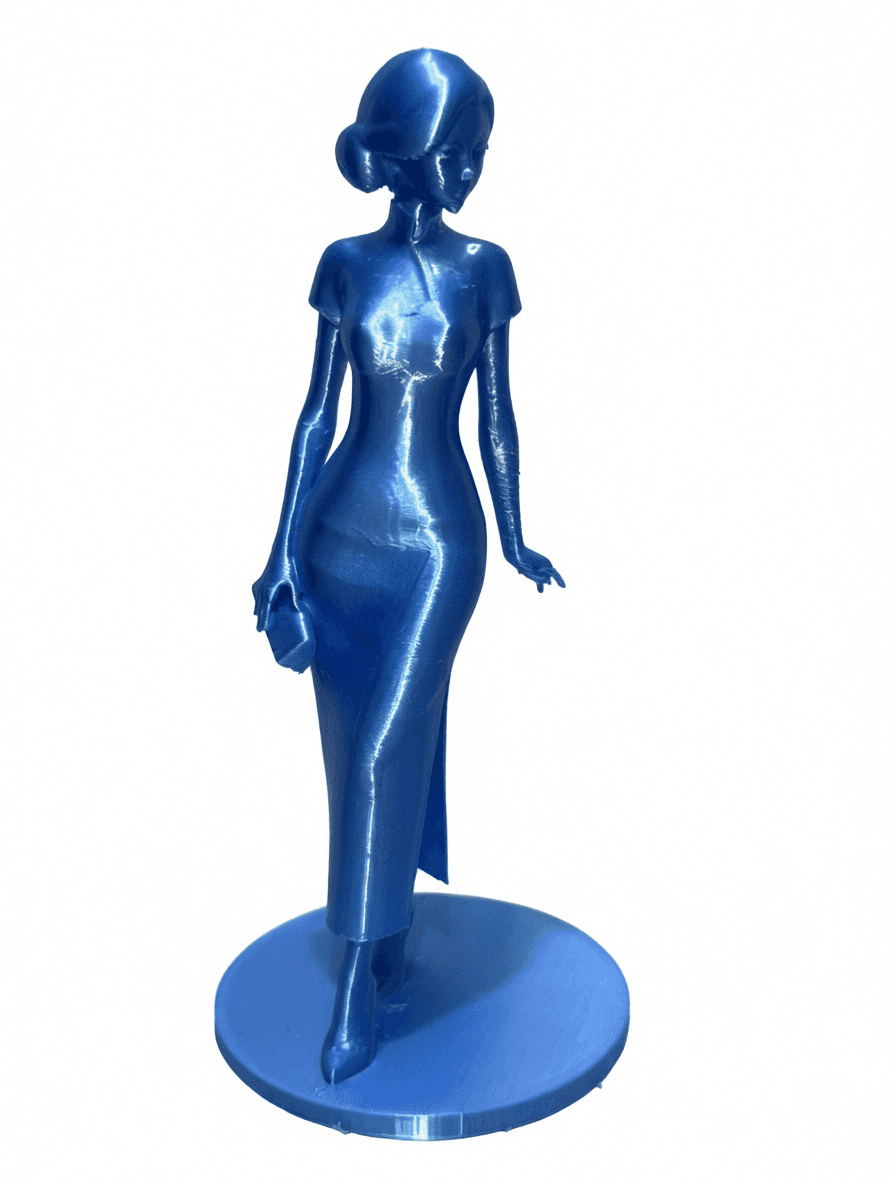
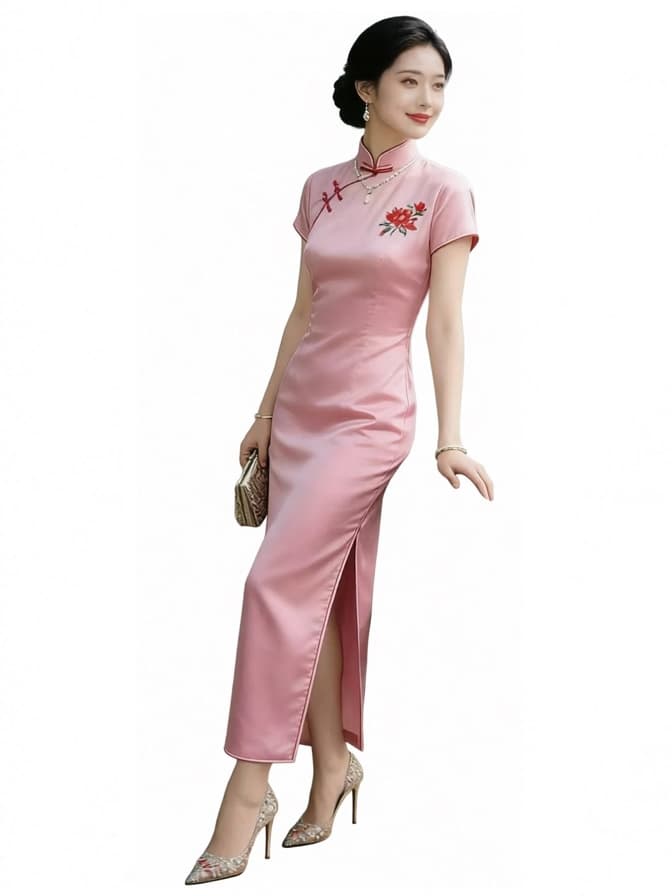
Move across the viewer to compare the completed digital preview, interactive GLB, and photographed physical figurine. The private source photo is not shown.
What carries from digital character to figurine?
Readable silhouette
The fitted long dress, upright posture, hair shape, and handbag create a recognizable outline even without printed texture color.
Stable standing pose
Both feet connect to the base, while the arm positions remain close enough to the body to form a compact display piece.
Texture-to-form transition
The digital preview uses clothing color and decorative details; the monochrome result depends more heavily on contours and raised surface form.
Digital previewPhysical figurineWhat this example demonstrates
The digital preview communicates identity through color, facial styling, hair, clothing, and pose. In the photographed figurine, the single-color finish removes most texture contrast. The hairstyle, dress outline, stance, and accessory therefore carry more of the visual recognition.
The physical result is not a pixel-for-pixel copy of the rendered preview. Small facial, fabric, and accessory details can be simplified by geometry preparation, production constraints, surface finish, lighting, and photography. The useful comparison is the overall character treatment and silhouette.
Practical lessons for your own character
- Choose a source image with a complete, unobstructed body outline.
- Treat hairstyle, clothing shape, pose, and major accessories as the strongest physical cues.
- Inspect the generated GLB from the back and sides before beginning an eligible print order.
- Expect a monochrome figurine to express texture colors through shape and surface detail instead.
What this case study does not claim
This is one public example, not a guarantee that every character will produce the same finish or level of detail. The page does not identify the person, reveal the source upload, or infer an undisclosed printer, material, scale, delivery time, or production method.
Frequently asked questions
Is the first image the original uploaded photo?
No. To protect user privacy and describe the evidence accurately, this case study displays the completed digital character preview, the interactive GLB, and the photographed figurine—not the private source upload.
Will every figurine use the blue color shown here?
No. This page documents one public example. Available colors and order options are shown in the current product flow for an eligible character.
Does the printed figurine preserve the GLB texture?
This example has a monochrome finish, so color textures are not reproduced directly. The silhouette and modeled surface details become more important in the physical result.