Character style guide
Chibi vs anime 3D character styles: which should you choose?
The styles share a character-focused workflow, but they make different choices about proportions and visual emphasis. Compare the intended result before spending credits on a generation.
Published September 8, 2026 · About 5 minutes
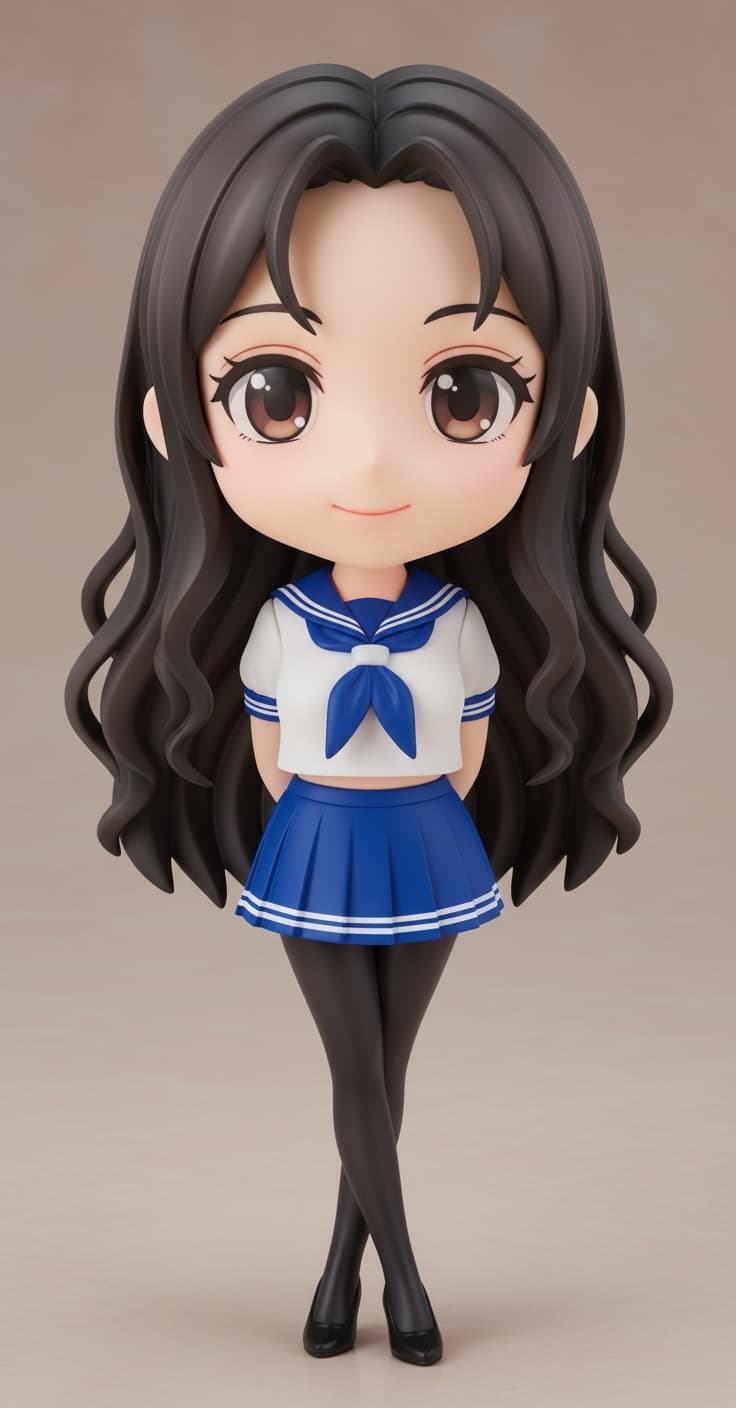
Chibi
Cute, intentionally exaggerated proportions designed to emphasize identity through the face, hair, colors, and a compact silhouette.
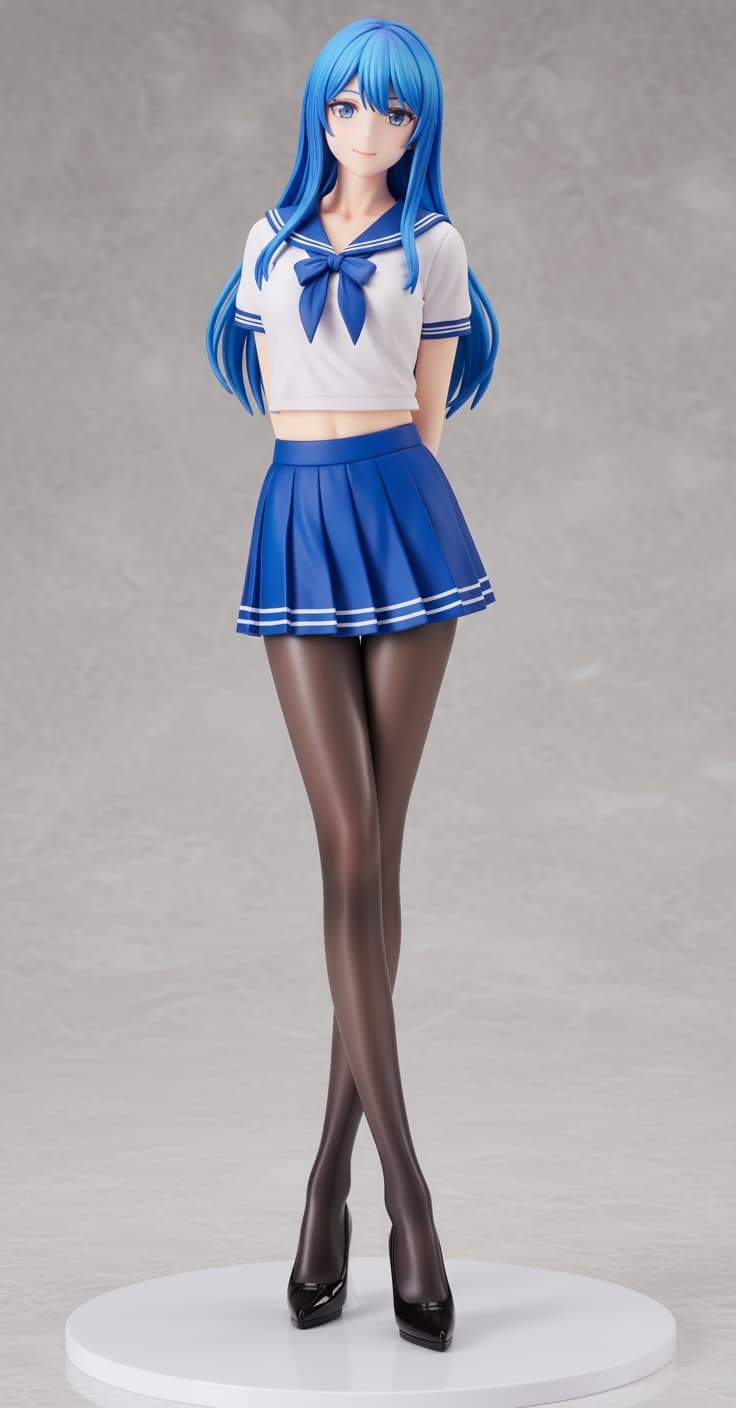
Anime-inspired
A taller character treatment that retains more of the outfit, body shape, and posture while applying a stylized illustrated appearance.
Side-by-side comparison
Chibi can be used within anime-inspired art, so these are not mutually exclusive art traditions. Here we compare the two generation options in SnapTo3D. Read what chibi means, follow the chibi photo tutorial, or explore the anime character workflow.
| Decision factor | Chibi | Anime-inspired |
|---|---|---|
| Proportions | Oversized head and compact body | Taller, more human-like proportions |
| Visual priority | Face, hairstyle, colors, and cute silhouette | Overall outfit, posture, and character shape |
| Best suited to | Collectibles, gifts, playful scenes, profile content | Animation, performance scenes, fashion, broader character use |
| Photo sensitivity | Can simplify some body detail, but still needs a clear face and outfit | Benefits strongly from visible limbs and a complete body outline |
| Physical figurine | Naturally matches a compact collectible aesthetic | Works when a taller character treatment is preferred |
| GLB reuse | Downloadable and reusable when eligible | Downloadable and reusable when eligible |
Choose chibi when
- You want a cute collectible or gift.
- The face, hairstyle, and signature colors matter most.
- You prefer a playful profile image or group composition.
- A compact figurine aesthetic matches the goal.
Choose anime-inspired when
- You want taller, more human-like proportions.
- The complete outfit and posture are important.
- You plan to use runway, dance, or action scenes.
- You prefer a less toy-like digital character.
The source photo still matters
Style does not compensate for missing source information. Both choices benefit from one front-facing person, a visible face and outfit, separated limbs, even lighting, and a simple background. Chibi can simplify proportions, but it still needs clear personal cues to remain recognizable.
For animation, pay extra attention to the body outline and visible limbs. For a figurine, prioritize the hairstyle, clothing, and accessories you want represented. Review the complete photo preparation guide before uploading.
A practical decision rule
Choose chibi when “cute collectible” describes the result. Choose anime-inspired when “stylized full character” is closer. If both are important, use the same strong source photo for separate generations and judge the completed 3D previews rather than relying only on a 2D style label.
Frequently asked questions
Is chibi the same as anime style?
No. Chibi is defined mainly by exaggerated cute proportions, especially a large head and small body. Anime-inspired characters can use a related visual language while keeping taller, more human-like proportions.
Which style is better for animation?
The homepage currently offers action generation for the Japanese style. Chibi generation should not be assumed to include those same actions. Check the available workflow and model card before choosing a style for animation.
Which style is better for a custom figurine?
Chibi is a natural fit for a compact collectible, but the better choice depends on the person, outfit, intended display, and the eligible print options shown in the product.
Can I generate both styles from the same photo?
You can use a suitable source photo for separate generations and compare the completed results. Each generation is a distinct model and may use credits under the current pricing rules.